
A condominium (condo) is a type of property ownership where individuals own their units within a larger complex. The complex itself is collectively owned by all unit owners through a homeowners association (HOA). This unique real estate ownership structure blends individual and communal living, appealing to those who desire the privacy of owning their own space while enjoying the social and maintenance benefits of a shared community. Condos are especially popular in urban areas where space is limited, offering an efficient and cost-effective living solution for many.
Condos often appeal to first-time homebuyers, retirees looking to downsize, or busy professionals who prefer low-maintenance living. Understanding how condo ownership works and the nuances of shared responsibilities is crucial for making an informed decision when investing in this type of property.

Key Features of Condo Ownership
- Individual Unit Ownership: In a condo, you own the interior of your unit, which includes everything from the walls in. However, the land it sits on and the building’s exterior are collectively owned. This means while you have autonomy within your unit, exterior modifications or repairs are managed by the HOA, relieving you of those burdens. This structure allows you to focus on interior design without worrying about landscaping, roofing, or exterior painting.
- Common Areas: Condos feature shared spaces such as hallways, pools, and fitness centers. These areas are jointly owned by all unit owners and maintained by the HOA. This arrangement provides access to amenities that might otherwise be financially prohibitive for individual homeowners. Some condo communities include luxurious features like rooftop gardens, business centers, or private theaters, enhancing the quality of life for residents.
- HOA Fees: Regular fees are paid to the HOA for the maintenance of common areas and shared facilities. These fees can vary greatly depending on the amenities and the size of the complex, so it’s important to factor them into your budget. In some luxury condos, HOA fees may also cover additional services like concierge, cleaning, or valet parking, which provide added convenience but increase your costs.
- Rules and Regulations: The HOA sets rules for the community, which all unit owners must follow. These rules are designed to maintain property values and ensure a pleasant living environment but can sometimes be restrictive, impacting personal freedoms and lifestyle choices. For instance, some HOAs might limit your ability to rent out your unit, impose noise restrictions, or regulate the exterior appearance of your unit.

Pros and Cons of Condo Ownership
Pros
- Lower Maintenance: One of the biggest attractions of condo living is the reduced maintenance burden. The HOA takes care of exterior maintenance and common areas, saving owners time and costs. With less responsibility for tasks like mowing lawns or fixing roofs, you’ll have more time for leisure or work.
- Amenities: Condos often provide access to shared amenities like gyms, pools, and clubhouses, which enhance lifestyle and offer social opportunities. These amenities are maintained by the HOA, allowing residents to enjoy them without the hassle of upkeep. High-end condos may offer exclusive amenities like rooftop pools, spas, or on-site restaurants, catering to a luxury lifestyle.
- Security: Many condos offer gated access or security personnel, adding an extra layer of safety, which can be particularly appealing in urban areas. Features like surveillance cameras, doormen, and controlled access gates provide peace of mind, especially for those who travel frequently or live alone.
Cons
- HOA Fees: Monthly or quarterly fees can add up over time, making them a significant ongoing cost. It’s important to understand what these fees cover and how they fit into your overall budget. Depending on the complex, fees can range from moderate to high, particularly if extensive amenities are provided.
- Restrictions: Rules set by the HOA may limit personal freedoms, like pet ownership or exterior modifications. While these rules are intended to maintain uniformity and property values, they can feel restrictive to those who prefer more personal freedom. Even changes like installing new windows or adding outdoor decorations may require HOA approval.
- Shared Responsibility: Decisions about the property are made collectively, which can sometimes lead to conflicts. Being part of a community means that not all decisions will align with your preferences, which can be frustrating. For example, if the majority of residents want to increase HOA fees for additional services, you might find yourself outvoted on decisions affecting your living environment.
What is a Planned Unit Development (PUD)?
A Planned Unit Development (PUD) is a type of community that includes a variety of housing types, such as single-family homes, townhouses, and condos. In a PUD, homeowners own their individual units and the land on which they sit while also sharing ownership of common areas. This model offers a blend of private ownership with the benefits of shared amenities, making it a compelling choice for those looking for a balanced ownership model.
PUDs are often found in suburban developments and can feature a wide range of housing styles, making them attractive to diverse groups, from families looking for more space to retirees seeking a quieter environment. Additionally, because PUDs often include recreational areas like parks or trails, they foster a strong sense of community.

Key Features of PUD Ownership
- Individual Unit and Land Ownership: You own both your home and the land it sits on, providing more autonomy and control over your property. Unlike condos, where exterior changes are regulated by the HOA, in a PUD, you have more freedom to modify your property, such as landscaping or expanding your home.
- Common Areas: Like condos, PUDs have shared common areas maintained by an HOA, including parks, playgrounds, and community centers. However, the focus of PUDs is less on communal amenities and more on individual homeownership and private outdoor space.
- HOA Fees: Fees are collected to maintain common areas and shared facilities, but they are often lower than those associated with condos, as homeowners are responsible for their own property maintenance. PUD HOA fees typically cover shared amenities like parks or roads but leave homeowners in charge of maintaining their yards and homes.
- Diverse Housing: PUDs often include a mix of housing types, creating a rich community fabric that appeals to a broad range of residents. This diversity makes PUDs attractive to people at different life stages, from young families to retirees.

Pros and Cons of PUD Ownership
Pros
- Land Ownership: Owning the land provides more control over your property, allowing for landscaping and exterior modifications. This flexibility can be appealing to those who want to personalize their living space.
- Variety: The mix of housing types creates a diverse community, offering something for everyone and fostering inclusivity. PUDs offer opportunities for community events, social gatherings, and interactions with people from different backgrounds.
- Flexibility: Typically, PUDs have fewer restrictions compared to condos, offering more freedom in property use. The ability to make decisions about your property without going through the HOA approval process offers a level of independence many homeowners appreciate.
Cons
- Maintenance: Homeowners in PUDs are responsible for their property maintenance, which can be time-consuming and costly. Tasks like lawn care, roofing, and exterior painting fall on the homeowner, adding to the workload and expenses.
- HOA Fees: Though often lower than condo fees, PUD HOA fees can still be significant. It’s essential to understand what these fees cover and how they impact your budget.
- Complexity: The variety of property types can lead to more complex management and potential disputes among homeowners, as the diverse needs of residents can complicate decision-making.
Condominium vs. PUD: Key Differences
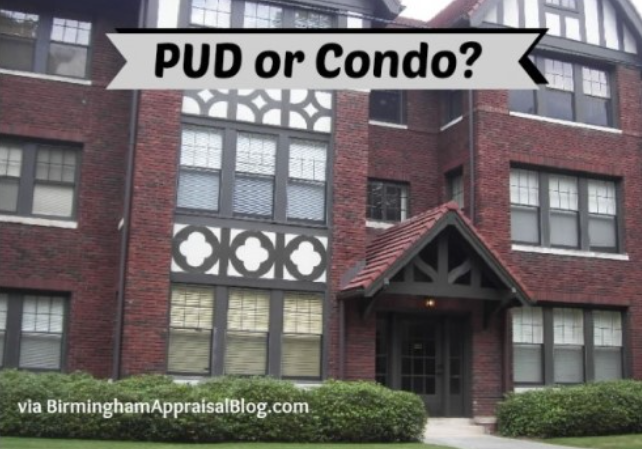
Understanding the differences between a condominium and a PUD is key to making the right decision. Condos emphasize communal living and shared responsibility, while PUDs offer more autonomy and a traditional homeownership experience.
How to Decide Which is Right for You
Choosing between a condo and a PUD depends on your lifestyle, financial situation, and personal preferences. Each offers unique living experiences, and consulting with real estate professionals will help ensure you make the most informed choice.